

LIGHT DEMOLITION
Light Demolition in complete property service in merced and stanislaus county.
The line that separates light demolition from full demolition is the load-bearing member, and staying on the right side of it is what keeps a project simple. BluMint WRX handles non-structural tear-outs across Atwater, CA: interior partition walls, dated cabinetry, tile, flooring, decks, sheds, and fencing. The debris leaves on the same visit rather than sitting in your driveway for a month. Free walkthroughs and written scopes come before any tool comes off the truck on your property.
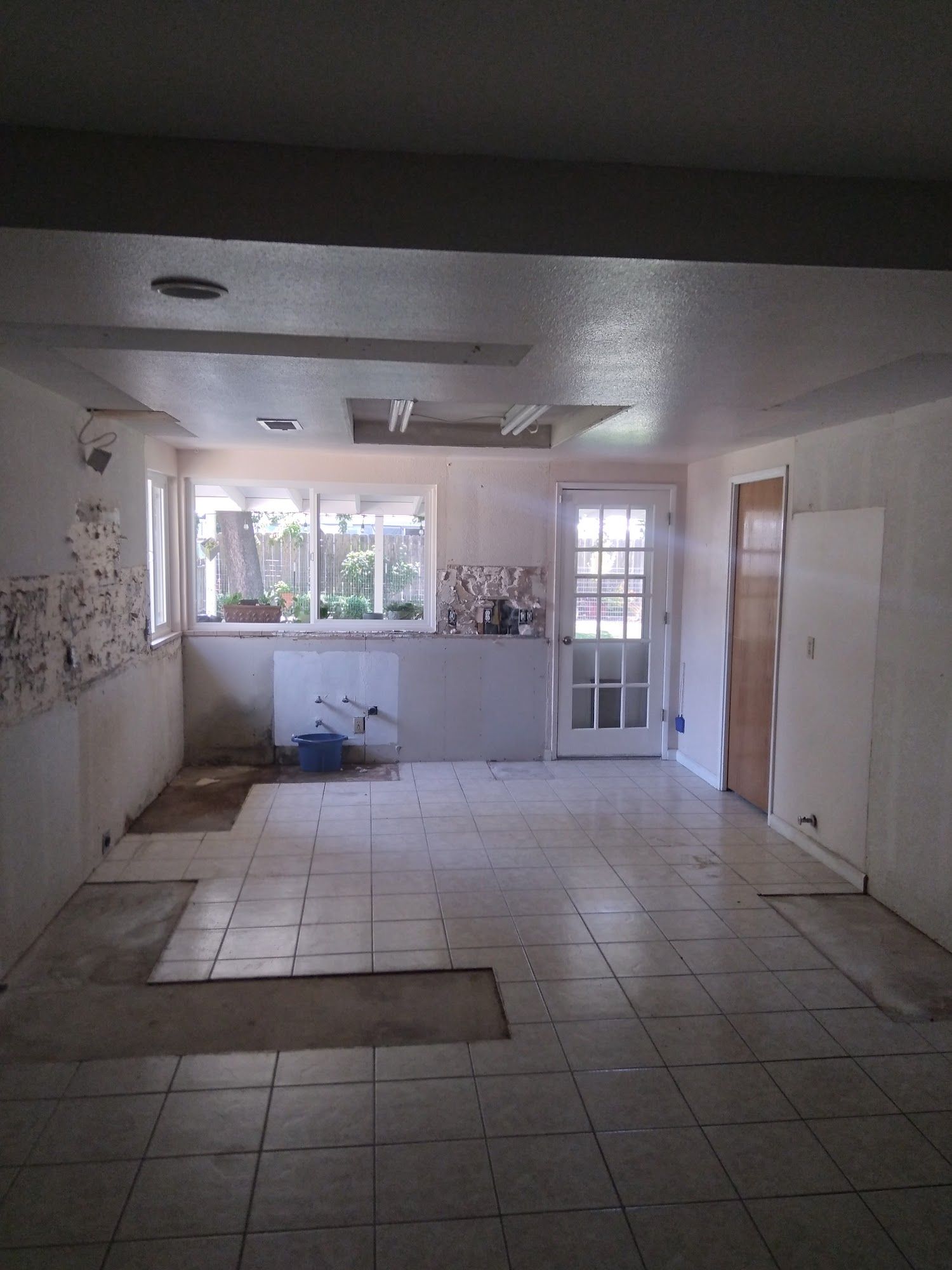
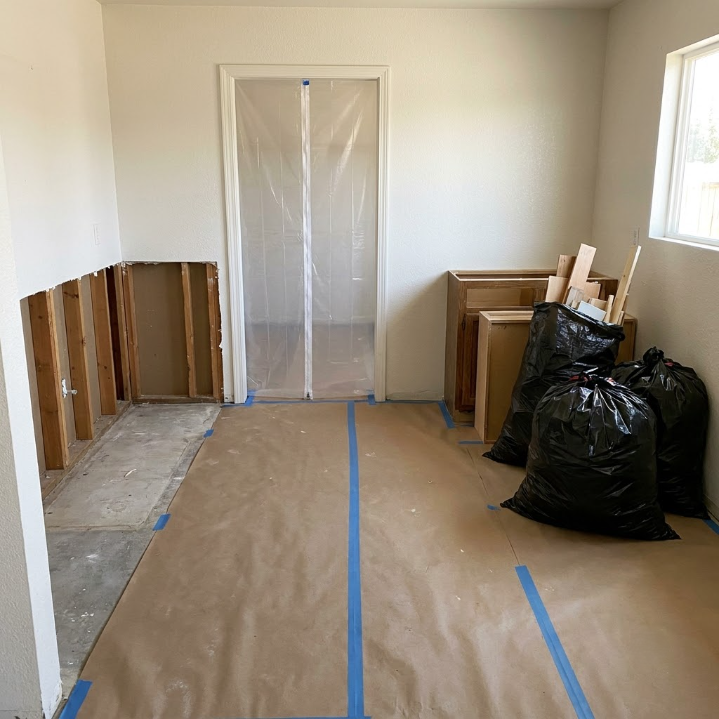
TEARING OUT IS THE EASY HALF.
Anybody can swing a hammer at a cabinet. The difficulty is everything around it: protecting the floor you are keeping, cutting cleanly at the boundary so the next trade is not repairing your enthusiasm, controlling dust in an occupied house, and getting several tons of mixed material off the property afterward.
That last part is where most self-managed tear-outs stall. We do the removal and the haul-off as one job, so the room is genuinely ready for the next trade rather than emptied and buried.
✓ Non-structural tear-outs only, cleanly scoped
✓ Protection for floors, finishes, and adjoining rooms
✓ Debris hauled away on the same visit
✓ Space left broom clean for the next trade
LIGHT DEMOLITION
THE ROOM COMES DOWN AND LEAVES THE SAME DAY.
Demolition that lingers is the most expensive kind. A kitchen torn out on Saturday with the cabinets stacked in the garage until the following weekend puts every trade behind it on hold. Cabinetmakers will not measure into a mess, tile setters will not start over debris, and inspectors have opinions about walkways. Combining the tear-out and the haul-off into one appointment removes that gap entirely, so the next crew walks into a clean substrate rather than a staging problem.
VALLEY HOUSING STOCK HIDES A FEW SURPRISES.
Homes around Atwater were built across many different eras, and older ones hold things worth knowing about before a wall opens. Layered flooring, plaster over lath, unexpected framing, and material that predates modern building practice. Anything built before the late 1970s raises questions about asbestos-containing material, which is why we scope carefully and stay clearly inside non-structural work rather than discovering a problem partway through a demolition day.
OUR CREW LEARNED RESTRAINT THE EXPENSIVE WAY.
The instinct in demolition is to take more, and it is almost always wrong. Cutting past the boundary because it was faster means the drywall crew is now patching, the trim lands wrong, and somebody is paying for that. After 6 years, we cut to the line, protect what stays, and leave the transition clean. The skill here is knowing exactly where to stop, and that only comes from having once stopped badly.
WHY CHOOSE US FOR LIGHT DEMOLITION.
Tear-Out And Haul-Off Together
The debris problem is usually larger than the demolition itself, and splitting them across two vendors is how driveways end up hosting a pile for weeks. One appointment covers both, so the space is clear the same day the work happens.
Clean Cuts At The Boundary
Everything you are keeping stays intact, because the cut line gets established before anything comes down. That saves the next trade from repairing overreach, which is a cost that never appears on the demolition quote but always appears somewhere.
Dust Kept Where It Belongs
Plastic barriers, covered vents, and controlled routes keep the rest of the house livable during a tear-out. Occupied remodels fail on dust more than on noise, and containment is far easier to set up beforehand than to clean up afterward.
A Scope You Can Hand To Trades
The written scope says exactly what comes out and what stays, so your cabinetmaker, tile setter, or contractor is working from the same understanding you are. Ambiguity in demolition scope is where change orders quietly originate halfway through a remodel.
Non-Structural Work, Clearly Defined
Load-bearing removal is a different project with different requirements, and we say so rather than taking it on. Knowing where our scope ends protects you from a job that should have involved permits and engineering from the start.
The Site Passes A Walkthrough
Swept floors, cleared walkways, and nails pulled rather than left in a joist. A tear-out that looks finished is not the same as one that is ready for the next trade, and the difference is about an hour of work.
WHAT WE REMOVE
OUR LIGHT DEMOLITION WORK
Six categories cover almost every tear-out we are asked to quote. Most remodels involve two or three of them together, and combining them into one visit is considerably cheaper than sequencing separate appointments.
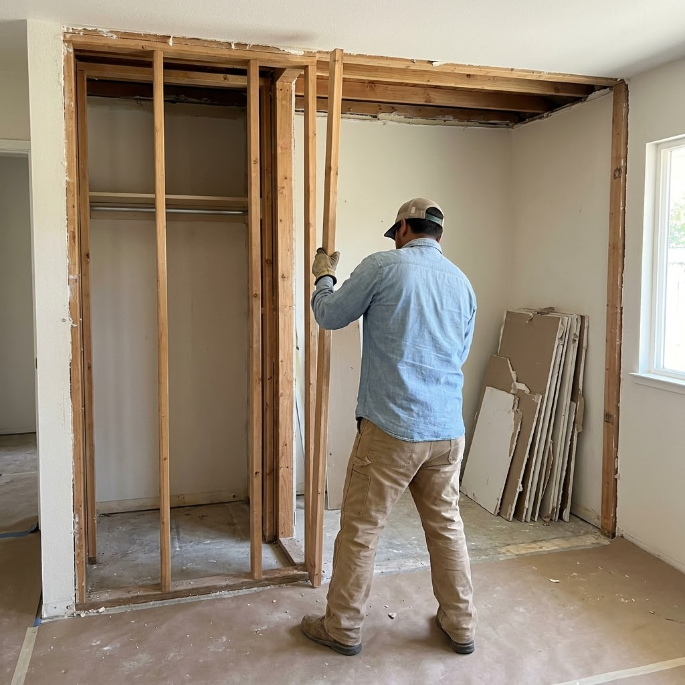
PARTITIONS
Interior Wall and Partition Removal
Non-load-bearing walls, partitions, closets, and soffits taken down to open a floor plan. Anything carrying structural load falls outside this scope, so the framing gets assessed during the walkthrough before a scope is written for the work and any tools come out.
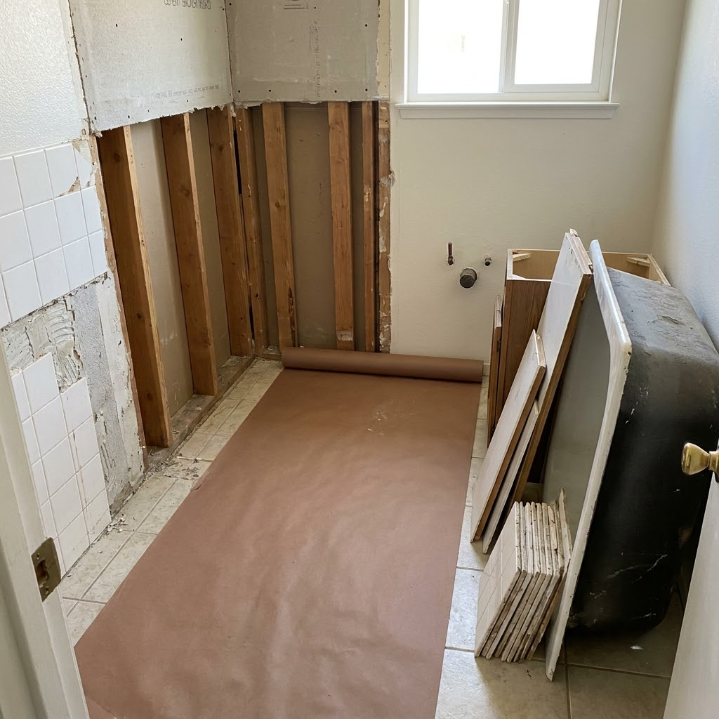
KITCHENS
Kitchen and Bathroom Tear-Outs
Cabinetry, countertops, backsplash, vanities, tubs, surrounds, and tile, removed once supply lines have been shut off by the appropriate trade. Adjoining floors and finishes stay protected so only the surfaces being replaced are actually disturbed during the course of the work.
FLOORING
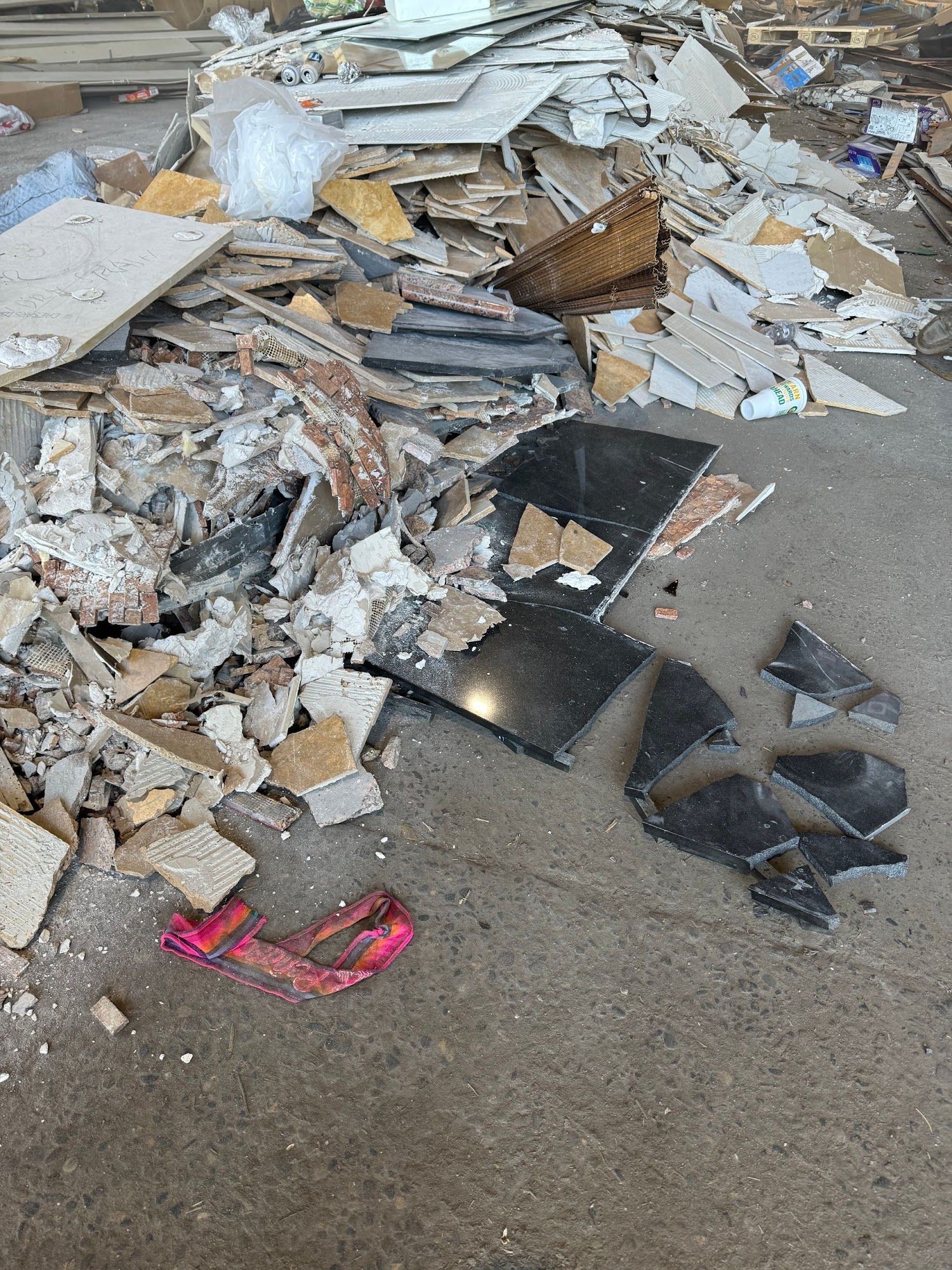
Flooring and Tile Removal
Carpet, vinyl, laminate, hardwood, and tile pulled up along with underlayment, tack strips, and adhesive residue. Layered floors are common in older homes, and each layer adds volume that gets accounted for in the original scope and to the disposal cost.
EXTERIORS
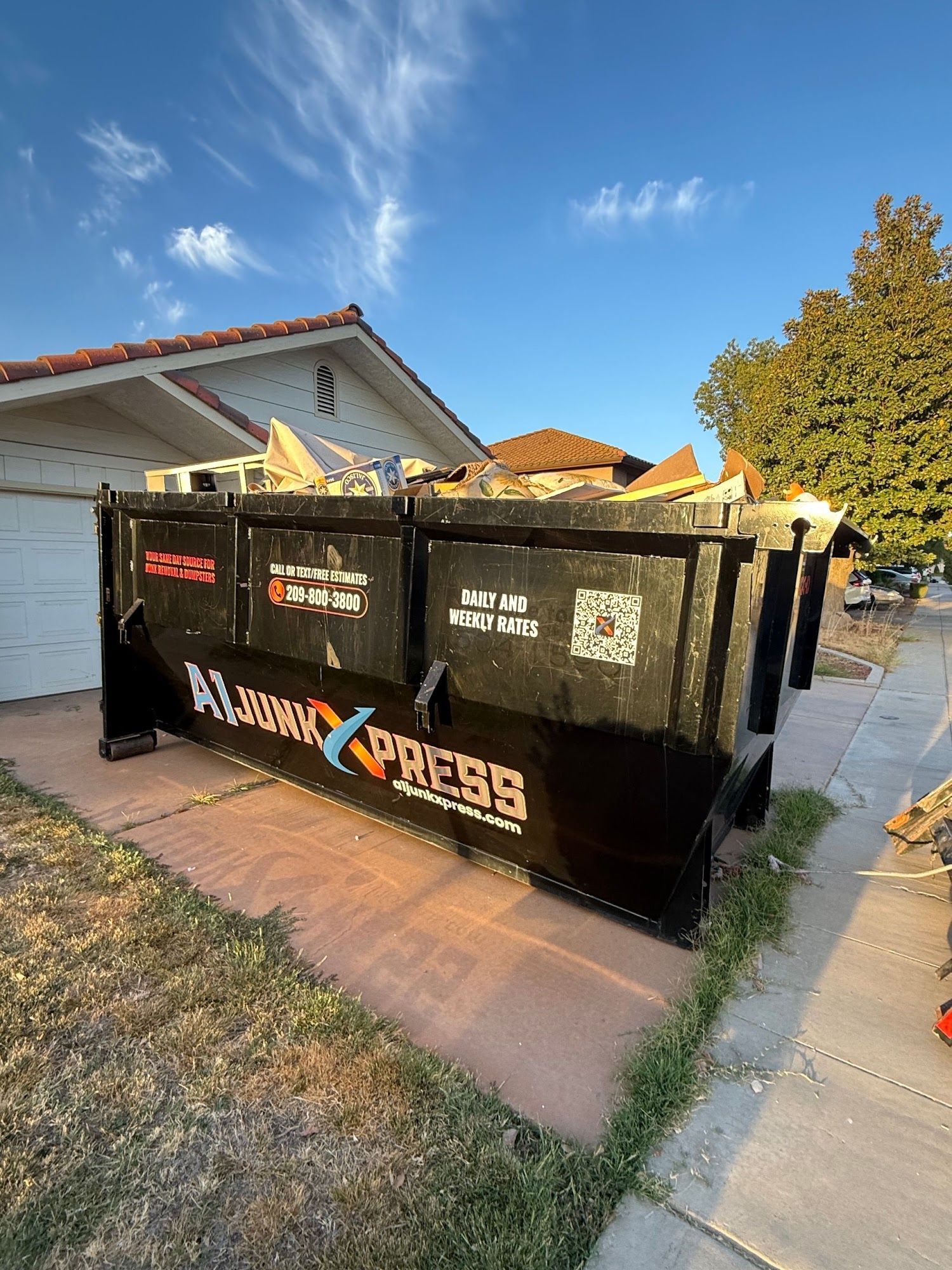
Deck, Shed and Fence Demolition
Aging decks, backyard sheds, patio covers, and fencing dismantled and hauled off. Posts set in concrete get pulled where the ground allows, and the footprint gets raked clean so the area is ready for whatever replaces it in the following weeks.
MILLWORK
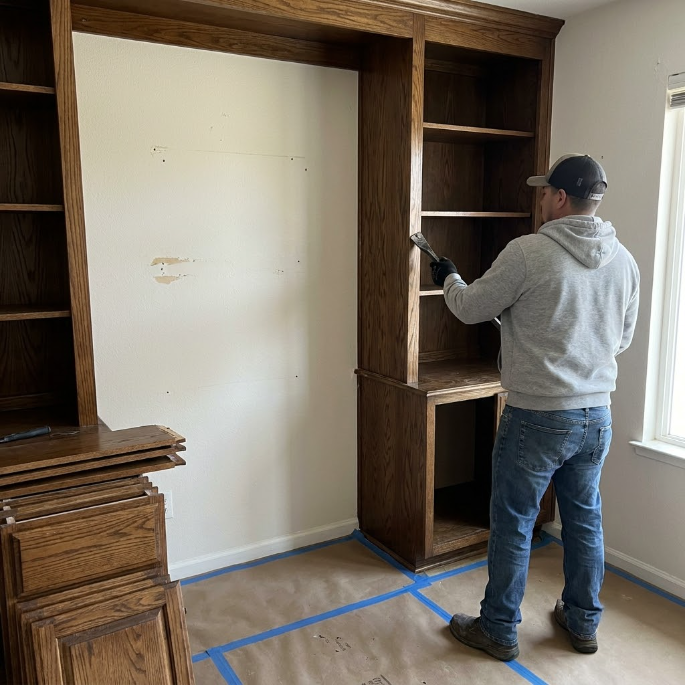
Cabinetry and Built-In Removal
Built-in shelving, entertainment centers, wardrobes, wet bars, and dated millwork removed without tearing the wall behind them apart. Careful separation at the wall means the drywall repair afterward stays minor rather than becoming its own project once the unit is out.
DEBRIS
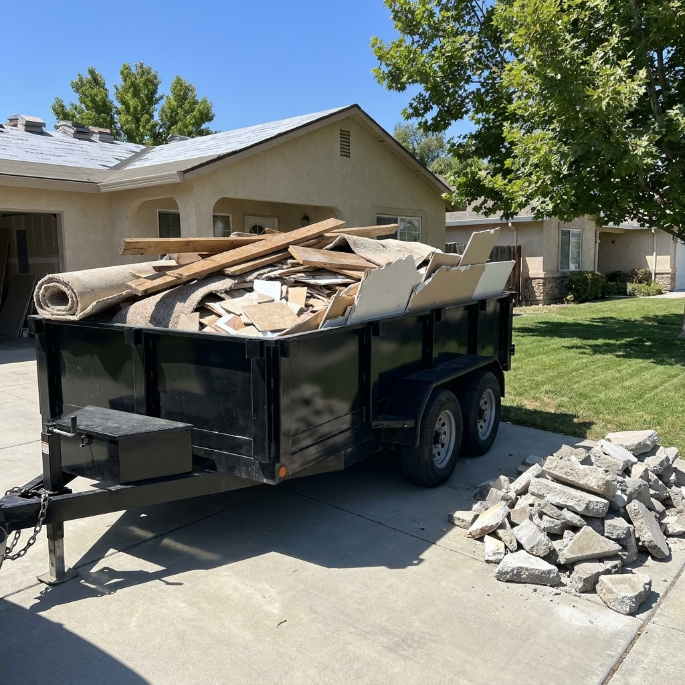
Debris Haul-Off and Disposal
Everything the tear-out produces, loaded and taken the same visit. Mixed construction waste, wood, drywall, tile, and flooring get sorted for disposal, while concrete, asphalt, and hazardous material follow their own separate routes to their own dedicated facilities.
THE WORD ON OUR WORK
WHAT OUR CLIENTS SAY.
Contractors tend to comment on the boundary work rather than the speed. The recurring note is that the cut lines were where they were supposed to be, the adjoining rooms stayed clean, and the next trade started on schedule without a repair conversation first.
Common Questions
FREQUENTLY ASKED QUESTIONS.
Scope limits, dust, disconnections, and what happens to the debris. Anything not covered here can go through the contact form and reaches somebody who can answer it rather than a general inbox.
What counts as light demolition?
Non-structural work: partition walls, cabinetry, flooring, tile, decks, sheds, and fencing. Once a load-bearing member is involved, the project needs different handling entirely, including engineering and permitting that fall outside this scope before any work can begin on a project like that.
Do I need to disconnect utilities before demolition?
Yes. Water, gas, and electrical connections in the work area should be shut off and disconnected by the appropriate licensed trade first. Everything after that point, including removal and haul-off, is handled by our crew on the scheduled day.
How is dust controlled in an occupied house?
Plastic barriers seal the work area, vents get covered, and routes in and out are protected. BluMint WRX works occupied remodels across Atwater, CA regularly, and containment set up beforehand beats cleanup afterward every single time for the people living there.
What happens to the debris after a tear-out?
It leaves on the same visit. Mixed construction waste is sorted for disposal, with concrete, asphalt, and any hazardous material routed separately, because each one of those requires a different kind of facility than ordinary demolition debris does.
Can you remove a wall to open up a floor plan?
Non-load-bearing walls, yes. Whether a specific wall carries load gets assessed during the walkthrough, and anything structural needs an engineer and a permit lined up well before demolition, rather than being decided on the morning of the tear-out itself.
How long does a kitchen tear-out take?
Most residential kitchens come out in a single day, including the haul-off. Layered flooring, tile set in mortar bed, and unexpected substrate underneath are the three things that most commonly stretch that timeline further beyond a single working day.
What about asbestos in an older home?
Buildings from before the late 1970s can contain asbestos in flooring, mastic, and other materials, and the local air district requires a survey by a certified consultant before regulated work. That assessment happens ahead of demolition rather than during it.
Is it cheaper to do the demolition myself?
Sometimes, until the debris stage. BluMint WRX handles tear-out and haul-off together across Atwater, CA, which is usually the difference between a room ready for the next trade and a driveway full of material waiting on a second vendor.
HOW WE WORK
FROM PROTECTION TO PUNCH LIST, HERE IS HOW.
STEP 01
Walk The Space With Us
We look at what comes out, what stays, and where the boundary sits. Framing, substrate, and building age all get noted, since those decide both the scope and whether anything needs assessing first.
STEP 02
Get A Written Scope
The scope names exactly what is being removed and what is being protected, in language you can forward to your contractor or your cabinetmaker. That document is what prevents disagreements later in the project.
STEP 03
Disconnect And Prepare
Utilities in the work area get shut off by the appropriate trade before we arrive. On the day, barriers go up, vents get covered, and the route out of the house gets protected.
STEP 04
Cut To The Line
Removal happens in order, working from finishes inward, with the cut established at the boundary before anything comes apart. Adjoining surfaces stay intact, which is the part the next trade actually cares about.
STEP 05
Load As We Go
Debris moves out continuously rather than accumulating in the room. That keeps the work area safe to move through and means the haul-off is largely finished by the time the demolition itself is finally complete.
STEP 06
Sweep And Hand Over
Floors swept, nails pulled, walkways cleared, and barriers taken down. The space gets handed over ready for the next trade to start, rather than ready for somebody else to spend an hour cleaning it first.
Get Your Free Estimate
SHOW US THE ROOM, AND WE WILL SCOPE THE TEAR-OUT, FREE.
Send photos or book a walkthrough through the contact form. You get a written scope naming what comes out and what stays, a firm price including haul-off, and a date. No obligation attached.
WHAT YOUR DEMOLITION SCOPE COVERS:
✓ A written list of what comes out and what stays
✓ Confirmation the work is non-structural
✓ Dust containment and floor protection
✓ Haul-off included on the same visit
✓ Sorting for mixed construction debris
✓ A broom-clean handover to the next trade